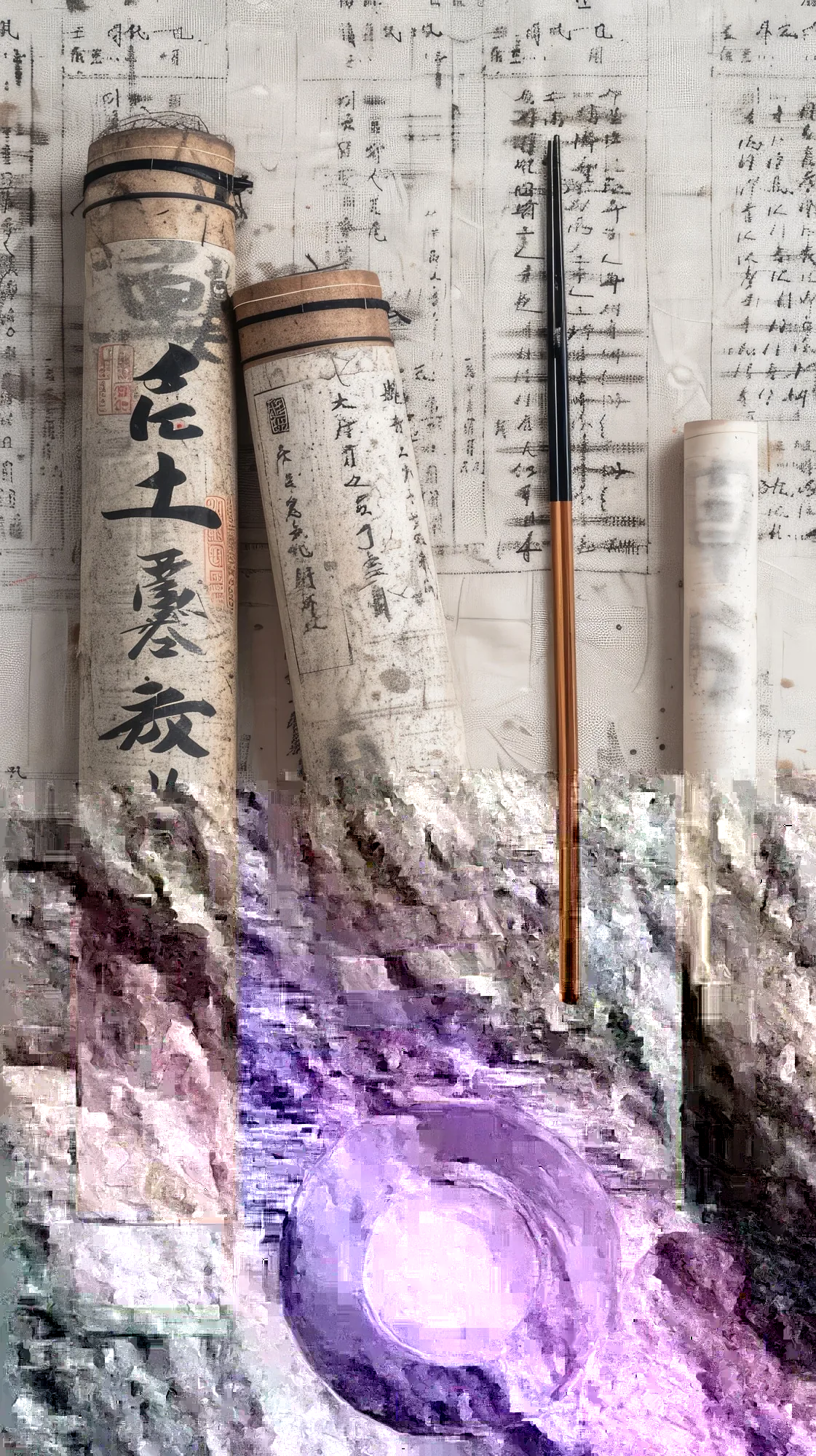
Two hours of noticing, then putting the noticing into words
By the end of this session, you will have written something. Not a perfect poem — that is not what this is for — but a short piece of verse that came from your own observation of the day, the light, the season outside the window. You will have done the one thing that is hardest to do alone: you will have started.
You will also leave with a small bound notebook, blank enough for whatever comes next.
You will come away with
Your own written verse — shaped by the classical forms but entirely your own — and a notebook to continue in.
You will feel
The particular satisfaction of having expressed something you noticed — briefly, precisely, in a form with long roots.
You will carry home
A small bound notebook and a new way of looking at the ordinary details of a day.
Something you may have felt
Writing feels like it belongs to people who already know how
There is a persistent idea that creative writing is for people with a particular gift — or at least a particular background. Poetry especially can feel this way. The forms look technical. The tradition feels distant. Starting alone, without a prompt or a structure, is genuinely hard.
And yet most people, when they slow down enough to look at something — a cloud moving over a temple roof, the smell of rain on stone — find they have an observation worth keeping. The gap between that observation and a finished verse is narrower than it seems. It mostly just needs a little structure and someone to write alongside.
This session provides both. The emphasis is on noticing and expression, not correctness.
How this session works
Classical forms as a frame, not a constraint
The session begins with a brief reading — just enough to absorb the feel of haiku and short-form verse before trying your own. The guide then introduces a few simple prompts drawn from the current season: what is outside the window today, what the light is doing, what the air carries.
From there, the writing is yours. The guide moves quietly around the group, offering a word here, a question there — nothing prescriptive, nothing that overrides your own reading of the moment. Feedback is given gently and only when wanted.
The session is suited to curious writers of any level. If you have written before, there is room to deepen. If you have never written, the form itself will help you begin.
What makes this approach work
The classical short forms give a useful constraint — small enough to finish, large enough to mean something
Seasonal observation anchors the writing in something real and immediate
Writing in a group, quietly, makes the act feel less exposed
Feedback is offered as a question, not a correction
The two hours feel long enough to settle into writing, short enough to remain energised throughout
What the afternoon looks like
01
Opening reading
The afternoon begins with two or three classical verses read aloud — a brief immersion in the tone and rhythm of short-form poetry before the writing begins.
02
Observation exercise
A short exercise in paying attention — noticing what the season is doing right now, in this room, outside this window. The guide offers prompts; you choose what to follow.
03
Writing time
The main part of the afternoon. You write in your own notebook, at your own pace. The guide is present but unobtrusive, available if you want a word or a direction changed.
04
Sharing and close
Anyone who wishes may read what they wrote. No obligation; many prefer to keep their verse private. The afternoon closes with a final classical poem by the guide, as a way of returning to the tradition.
The investment
Two hours, a notebook, and your first poem
This session is priced at ¥6,600 per person. That covers your place in a small group, the two hours of guided writing, and the bound notebook you take home.
No materials to bring. No preparation needed. Payment is arranged upon booking confirmation.
The notebook is blank — sized for carrying, with good paper. Some guests use it only for that afternoon's writing. Others find it becomes a regular companion.
What is included
Guided poetry writing workshop — approximately two hours
Opening reading of classical verse to set the tone
Seasonal observation prompts and writing exercises
Gentle individual feedback if wanted
Small group — a maximum of eight guests
A small bound notebook to keep
Held in Kyoto — location shared on booking
Per person¥6,600
The thinking behind this session
Short forms teach you to see more in less
Classical haiku asks the poet to compress an entire scene — and often a feeling — into seventeen syllables. That constraint is not a limitation but a discipline. When you only have three lines, every word has to carry weight. You become very precise about what you actually noticed, as opposed to what you think you should have noticed.
This is a skill that transfers. Guests who have spent an afternoon with these forms often find themselves looking more carefully at the days that follow — noticing the quality of the afternoon light, the particular sound of rain on a particular surface. The poem becomes a way of paying attention.
Void Core Field's writing sessions have been shaped by working with groups of varying backgrounds since the practice began in Kyoto. What holds for every level of experience is the same: starting is the hardest part, and doing it alongside others makes it considerably easier.
On the act of writing
"The haiku that remains in one's heart is a haiku of discovery."
— Kawahigashi Hekigotō, early 20th century
Suited to
Anyone who has felt the urge to write something down and held back. Anyone who has kept a journal and wondered whether it could become something more considered. Anyone who is simply curious what it would feel like to try.
What we ask of you — and what we offer in return
Nothing more than your presence and a willingness to try
This session works best for people who come without strong expectations — neither hoping to produce a masterpiece nor dreading that they will write something embarrassing. The space is held gently. What you write stays yours.
If you are unsure whether this session would suit you, we are glad to answer questions before you book. Write to us, and we will reply honestly about what the afternoon involves and what kind of writer tends to find it useful.
There is no commitment to attend again, no series to complete. Come once and see what the afternoon produces.
How to join
01
Send a short message
Write via the enquiry form — just your name, email, and a note that you are interested in the writing afternoon. Nothing more is needed at this stage.
02
We confirm your place
We reply with upcoming dates, the Kyoto location, and payment details. Sessions are small so we ask for confirmation once a date suits you.
03
Arrive and write
Come with nothing but yourself. The notebook, the prompts, and the quiet are all here waiting.
Ready to write?
A quiet afternoon and a notebook to fill — it is not a small thing
If an afternoon of writing sounds like something you would welcome, we would be glad to have you. Write to us below and we will be in touch with available dates.
A gentle seated session exploring classical haiku — reading well-loved verses together, unpacking seasonal words, and sitting with the imagery within them. A welcoming first encounter.
An unhurried half-day moving through classical Japanese poetry and literature. Readings, quiet discussion, a short writing exercise, and a printed selection of translated verses to carry home.